
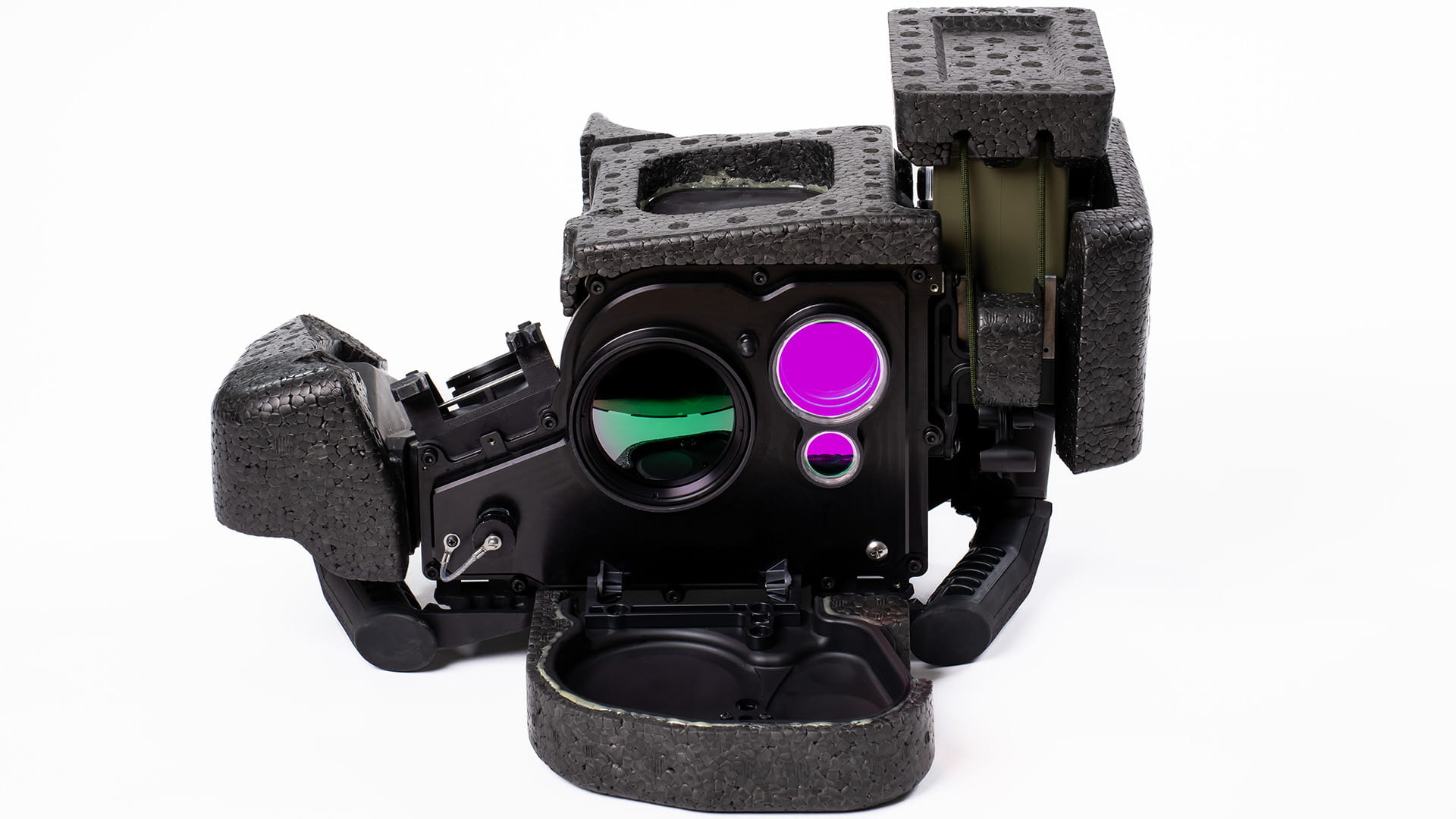


The US Army has taken delivery of its first Javelin Lightweight Command Launch Units from the Javelin Joint Venture formed by Raytheon and Lockheed Martin.
The US Army has taken delivery of its first Javelin Lightweight Command Launch Units (LWCLU) from the Javelin Joint Venture formed by Raytheon and Lockheed Martin.
The next-generation LWCLU is part of the man-portable Javelin anti-tank weapon system. It is 30 percent smaller and 25 percent lighter than its predecessor, the Block 1 CLU, while offering twice the target detection and recognition range in day and night conditions.
It is also designed to be compatible with all Javelin weapons that can strike at ranges from 65 meters (213 feet) to 4 kilometers (2.5 miles), including future variants.
"Delivering the first LWCLUs to the US Army reflects the Javelin Joint Venture's commitment to continuously advancing technology for service members," said Jenna Hunt Frazier, JJV president and Javelin program director at Raytheon.
Apart from the US, the countries that are currently operating or procuring the Javelin LWCLU include Australia, Estonia, Latvia, Lithuania, Poland, and the UK.
Javelin Joint Venture
The Javelin Joint Venture develops, manufactures, and supports the FGM-148 Javelin missile system.
Raytheon co-manages the joint venture and produces the CLU, missile guidance electronics, and system software. The company has also invested $22 million to increase LWCLU production speed and capacity at its Tucson, Arizona, facility.
Meanwhile, Lockheed Martin provides missile engineering, conducts final assembly of the all-up-rounds, and supports production activities at its facilities in Orlando, Florida, and Troy, Alabama.
