


The Easter attacks in Sri Lanka were carried out by local islamists inspired by but not linked to Islamic State, a top investigator claimed
The Easter attacks in Sri Lanka that killed 258 people were carried out by local Islamists who drew inspiration from but were not linked to Islamic State, an investigator told lawmakers on Wednesday, July 24.
Ravi Seneviratne, the head of Sri Lanka's Criminal Investigations Department, said the suicide bombers who targeted three churches and three hotels had no link to the foreign group.
"They followed the IS ideology, but our investigations have not shown any link between them," Seneviratne told a parliamentary panel probing security and intelligence lapses leading to the April 21 bombings.
He said that remnants the local group identified as National Thowheeth Jama'ath had persuaded ISIS to claim the attack after the deadly events in Sri Lanka.
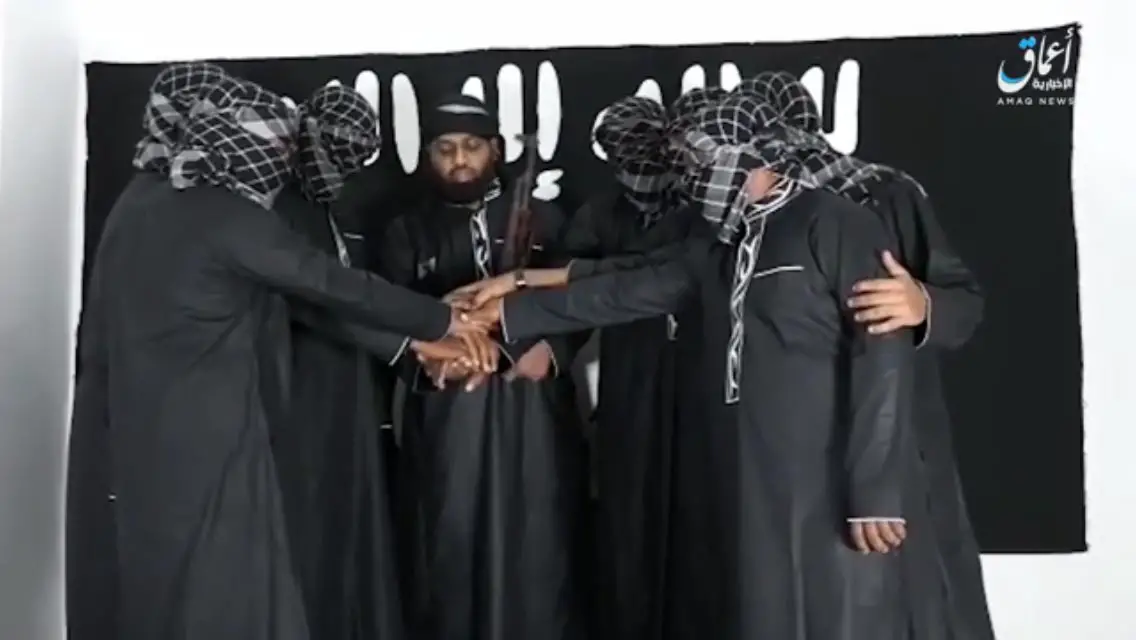
Two days after the attacks, ISIS propaganda agency Amaq released a video featuring NTJ leader Zahran Hashim and his fellow suicide bombers pledging allegiance to ISIS leader Abu Bakr al-Baghdadi.
Three days later, police raided the location where the NTJ recorded the video and recovered the ISIS flag they used as a backdrop.
Another investigator, Shani Abeysekara, told the same parliamentary panel on Wednesday that the CID had found 105 kg (230 pounds) of explosives from a NTJ hideout earlier this year.
"If not for this discovery, they would have been able to cause much more damage," Abeysekara said, adding that they were already investigating the NTJ when the attacks took place.
There have been recriminations over the failure on the part of police and security forces to act on advance warnings of the impending attacks.
Top intelligence and police officers have told the parliamentary panel investigating security failures that the attack was avoidable had the authorities acted on intelligence provided by neighboring India.
India had as early as April 4 warned Sri Lankan authorities that a suspect in their custody had revealed plans to stage a deadly attack in Sri Lanka targeting Christian churches among others.
Several NTJ operatives were known to have traveled to India to meet with fellow extremists there, according to the Sri Lankan military.
They have said that the NTJ may have received foreign expertise in assembling bombs containing the explosive triacetone triperoxide, also known as TATP or "Mother of Satan."
Sri Lanka's police chief Pujith Jayasundara and top defense ministry bureaucrat Hemasiri Fernando are facing criminal charges over alleged negligence for failing to prevent an attack.
President Maithripala Sirisena, who is also minister of defense, has said the attacks were the work of international drug dealers to sabotage his anti-narcotics drive, although he later blamed unspecified "terrorists," and called for the death penalty to be imposed despite a moratorium on capital punishment in Sri Lanka since June 1976.
With reporting from AFP
