


The CSTO is Russia's answer to NATO, but how does it actually work? This guide breaks down its structure, purpose, and real influence on regional security.
In the aftermath of the Soviet Union’s collapse, security ties were reassembled into a new framework designed to keep former republics aligned in a changing regional order.
What emerged was a pact built around shared defense commitments and coordinated responses to external pressure.
The Collective Security Treaty Organization (CSTO) brings several post-Soviet states under a joint security structure, linking them through mutual defense obligations and military cooperation.
It operates as a regional counterweight in a space still shaped by the legacy of Soviet-era alignment, but with a narrower footprint and more constrained capabilities than global alliances.
Dive into the full guide to see how the CSTO fits into the evolving architecture of regional security and collective defense.
 Russian soldiers attend a ceremony marking the end of the CSTO mission in Almaty, 2022. Photo: Alexandr Bogdanov/AFP
Core Purpose and Function
On paper, the CSTO is built around collective defense: an agreement that an attack on one member should trigger support from the others, as in NATO’s Article 5.
In practice, however, that response is not automatic.
Unlike fully integrated military alliances, CSTO action is shaped heavily by political alignment, consensus, and timing. Decisions are often coordinated rather than immediate, and the level of support can vary significantly between crises.
In practical terms, the organization focuses on:
- Mutual defense: Coordinated military response to external threats.
- Crisis management: Deployment of peacekeeping or rapid reaction forces.
- Counterterrorism: Joint efforts against extremist groups and instability.
- Military integration: Shared training, exercises, and standardization.
Origins and Members
The CSTO emerged from the uncertainty that followed the 1991 collapse of the Soviet Union, when newly independent states moved to preserve a sense of shared security.
Its foundation rests on the 1992 Collective Security Treaty, later formalized into an institutional structure in 2002 to deepen military coordination and collective response mechanisms.
Today, the bloc comprises Russia, Armenia, Belarus, Kazakhstan, Kyrgyzstan, and Tajikistan.
Through joint exercises and regional security initiatives, these states maintain varying degrees of military alignment shaped by both historical ties and current strategic interests.
 This handout video grab shows Russian and Belarusian soldiers during a joint exercise. Photo: AFP
How the CSTO Operates
The CSTO conducts regular joint military exercises and maintains a Collective Rapid Reaction Force intended for deployment during regional crises. These forces can be used for counterterrorism operations, border security, or stabilization missions.
Despite this framework, activation is not automatic. Member states must coordinate and agree on action, which often slows response times and limits operational consistency.
Example: In 2022, the CSTO deployed troops to Kazakhstan during internal unrest, marking one of its most visible real-world interventions.
Strengths and Limitations
The CSTO provides a structured platform for military cooperation across a strategically significant region. For smaller member states, it offers a form of security alignment anchored by Russia’s dominant military capability.
However, the organization is constrained by uneven political priorities among its members. These differences can limit cohesion, slow decision-making, and reduce predictability in crisis situations.
Compared to alliances with more institutionalized command structures, the CSTO is less consistent in collective action, particularly in externally driven conflicts involving member states.
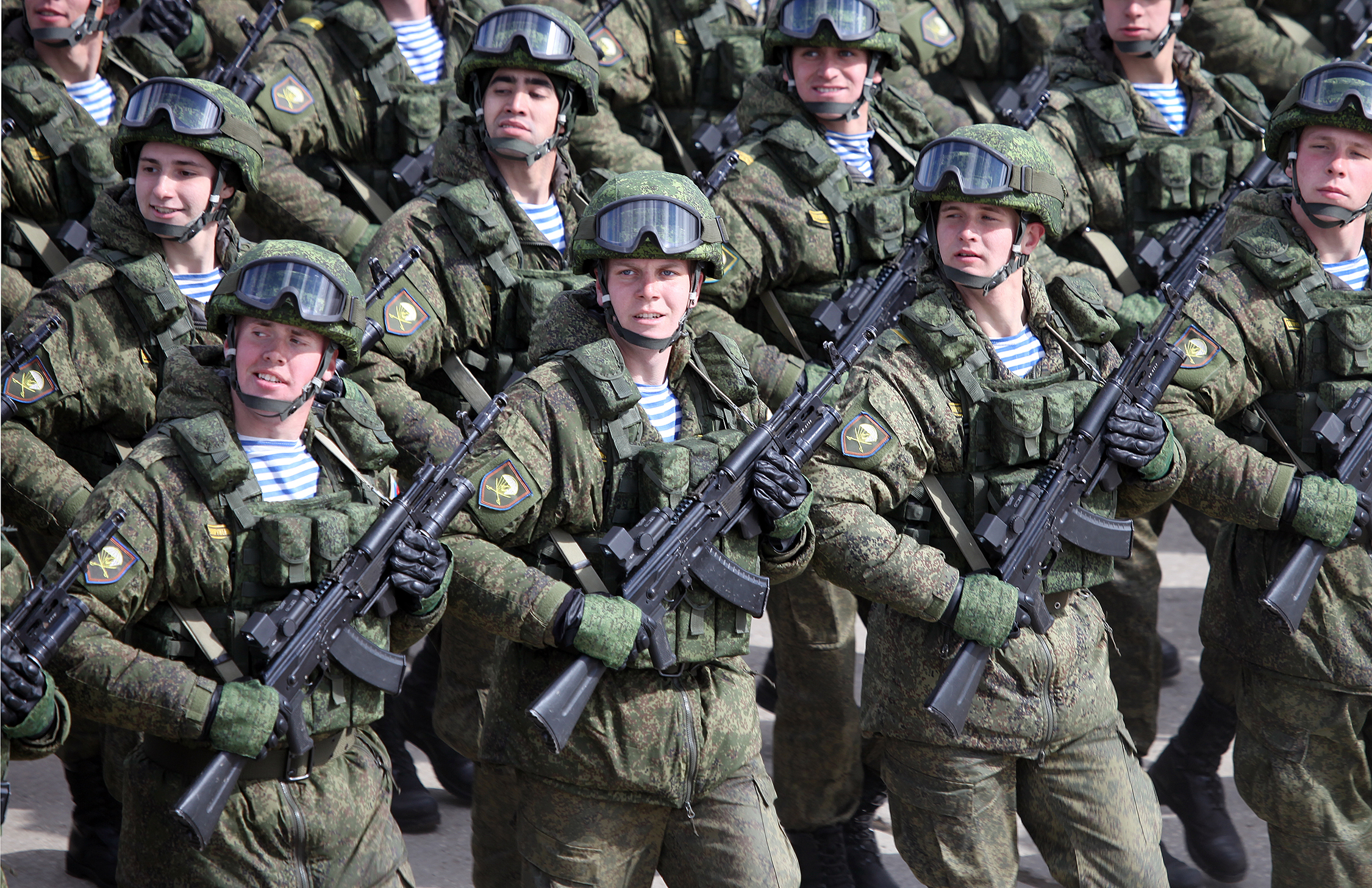
 The CSTO’s collective defense framework enables member states to respond jointly to external security threats. Photo: President of the Russian Federation/Wikimedia Commons/CC4.0
Strategic Role
The CSTO plays a key role in maintaining security across parts of Eurasia, particularly in Central Asia.
It is often seen as a tool for preserving regional stability and extending Russia’s influence in the post-Soviet space.
At the same time, its long-term relevance is not guaranteed. The organization continues to face pressure from shifting regional politics, differing national priorities, and questions over how effectively it can respond to fast-moving or externally driven crises.
The CSTO is a collective defense framework in principle, but in practice, it operates more as a political coordination mechanism than a fully unified military alliance.
Its strength lies in shared interests among post-Soviet states, but its limitations are rooted in the very same political diversity that holds it together.
